The Meccan Revelations

Manuscript volume 5 · Page 103

Konya manuscript

Open Arabic sourceOpen English translation

Arabic

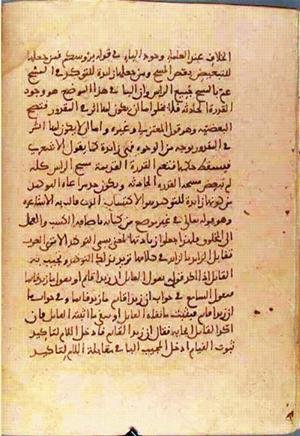
الخلاف عند العلماء وجود الباء في قوله: ﴿بِرُؤُسِكُمْ﴾، فمن جعلها للتبعيض بعض المسح، ومن جعلها زائدة للتوكيد في المسح عم بالمسح جميع الرأس.

وإن الباء في هٰذا الموضع هو وجود القدرة الحادثة، فلا يخلو: إما أن يكون لها أثر في المقدور فتصح البعضية، وهو قول المعتزلي وغيره، وإما أن لا يكون لها أثر في المقدور بوجه من الوجوه، فهي زائدة كما يقول الأشعري، فيسقط حكمها، فتعم القدرة القديمة مسح الرأس كله، لم تبعض مسحه القدرة الحادثة.

ويكون حد مراعاة التوكيد من كونها زائدة للتوكيد هو الاكتساب الذي قالت به الأشاعرة، وهو قوله تعالى في غير موضع من كتابه بإضافة الكسب والعمل إلى المخلوق. فلهٰذا جعلوا زيادتها لمعنى يسمى التوكيد.

(التوكيد في الإثبات والنفي)

ألا ترى العرب تقابل الزائد بالزائد في كلامها، تريد بذٰلك التوكيد، وتجيب به القائل إذا أكد قوله؟ يقول القائل: «إن زيدا قائم»، أو يقول: «ما زيد قائما»، فيقول السامع في جواب «إن زيدا قائم»: «ما زيد قائما»، وفي جواب «ما»:[17] «إن زيدا قائم»، فيثبت ما نفاه القائل، أو ينفي ما أثبته القائل.

فإن أكد القائل إيجابه فقال: «إن زيدا لقائم»، فأدخل اللام لتأكيد ثبوت القيام، أدخل المجيب الباء في مقابلة اللام لتأكيد

Notes

[17]

(الإشارة إلى القول المنفي السابق؛ والمقابلة هنا بين نفي القيام وإثباته.)
English

disagreement among the scholars is the presence of the letter bāʾ in His words “over your heads,” those who take it in a partitive sense wipe part of the head. Those who take it as an additional letter for emphasis in wiping extend the wiping to the entire head.

In this passage the bāʾ corresponds to the presence of originated power. Either that power has an effect upon what it has power over, in which case the partitive interpretation holds, as the Muʿtazilī and others maintain, or it has no effect upon it in any respect, in which case it is additional, as the Ashʿarī maintains. Its ruling then drops away, and beginningless power extends the wiping to the entire head. Originated power has not made the wiping partial.

Taking it as additional for emphasis corresponds precisely to the acquisition affirmed by the Ashʿarīs. This is what God Most High says in more than one place in His Book, ascribing acquisition and action to the creature. For this reason they take its addition to convey the meaning called emphasis.

(Emphasis in Affirmation and Negation)

Do you not see how the Arabs counter an additional element in speech with an additional element? They intend emphasis by this and use it in answering a speaker who has emphasized his words. Someone says, “Indeed, Zayd is standing,” or says, “Zayd is not standing.” In answer to “Indeed, Zayd is standing,” the hearer says, “Zayd is not standing,” and in answer to the negative “not,”[17] he says, “Indeed, Zayd is standing.” Thus he affirms what the speaker denied or denies what the speaker affirmed.

When the speaker emphasizes his affirmation by saying, “Indeed, Zayd certainly is standing,” he inserts the lām to emphasize the fact of standing. The one who answers inserts the bāʾ to counter the lām and to emphasize

Notes

[17]

(This refers to the preceding negative statement. The contrast is between denying and affirming that Zayd is standing.)

Translator’s note TN1379-1: The text analogizes the grammatical status of bāʾ to whether originated human power has an effect. The Ashʿarī term kasb, “acquisition,” is retained as the category the author compares with grammatical emphasis. In the examples, the lām appears in la-qāʾim, “certainly standing,” and the bāʾ in bi-qāʾim after the negative. English conveys both with emphasis rather than separate particles.

Manuscript imageManuscript volume 5 · Page 103

Arabic and English are linked by the same Konya page ID. Page alignment is approximate; consult the manuscript image for verification.

Cairo source reference

Ibn al-Arabi, The Meccan Revelations — Manuscript volume 5 · Page 103 — https://www.futmak.com/english/konya/pages.php?id=1379&text=both