
Futmak · الفتوحات المكية · Meccan Revelations

The Meccan Revelations

Manuscript volume 36 · Page 226

Konya manuscript

Open Arabic sourceOpen English translation

Arabic

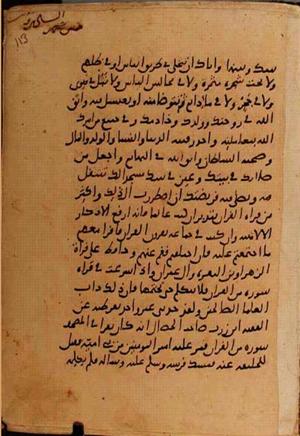
بينك وبينها. وإياك أن تتخلى في طريق الناس أو في ظلهم ولا تحت شجرة مثمرة ولا في مجالس الناس، ولا تبل في هوى ولا في جُحْرٍ ولا في ماء دائم ثم تتوضأ منه أو تغتسل فيه.

واتق الله في زوجتك وولدك وخادمك وفي جميع من أمرك الله بمعاملته. واحذر فتنة الدنيا والنساء والولد والمال وصحبة السلطان، واتق الله في البهائم. واجعل من صلاتك في بيتك، وعين في بيتك مسجدا لك تتنفل فيه وتصلي فيه فريضتك إن اضطررت إلى ذٰلك.

(آداب التلاوة وصحبة القرآن)

وأكثر من قراءة القرآن بتدبُّر إن كنت عالما، فإنه أرفع الأذكار الإلهية. وإن كنت في جماعة يقرءون القرآن فاقرأ معهم ما اجتمعتم عليه، فإن اختلفتم فقم عنهم. وحافظ على قراءة الزهراوين البقرة وآل عمران.

وإذا شرعت في قراءة سورة من القرآن فلا تتكلم حتى تختمها، فإن ذٰلك دأب العلماء الصالحين. ولقد حدثني غير واحد بقرطبة عن الفقيه ابن زرب صاحب الخصال، أنه كان يقرأ في المصحف سورة من القرآن فمر عليه أمير المؤمنين من بنى أمية.

فقيل للخليفة عنه، فمسك فرسه وسلم عليه وسأله، فلم يكلمه
English

between you and them. Beware of relieving yourself in people’s pathway, in their shade, beneath a fruit-bearing tree, or where people sit. Do not urinate into the air, into a burrow, or into standing water and then perform ablution from it or bathe in it.

Be mindful of God regarding your wife, your children, your servant, and everyone with whom God has commanded you to deal. Beware of the trials of this world, women, children, wealth, and association with the ruler. Be mindful of God regarding animals. Perform some of your prayers at home, and designate a place of prayer in your home where you can offer supererogatory prayers and your prescribed prayer if necessity compels you to do so.

(The Etiquette of Recitation and Companionship with the Qurʾān)

Recite the Qurʾān abundantly with reflection if you have knowledge, for it is the loftiest of the divine remembrances. If you are in a group reciting the Qurʾān, recite with them what you agree upon; if you differ, rise and leave them. Regularly recite the two radiant chapters, al-Baqara and Āl ʿImrān.

When you begin reciting a chapter of the Qurʾān, do not speak until you finish it, for that is the practice of righteous scholars. More than one person in Córdoba told me concerning the jurist Ibn Zarb, author of al-Khiṣāl, that he was reading a chapter of the Qurʾān from the codex when the Commander of the Faithful, one of the Umayyads, passed by him.

The caliph was told about him, so he halted his horse, greeted him, and asked him a question. The shaykh did not speak to him

Manuscript imageManuscript volume 36 · Page 226

Arabic and English are linked by the same Konya page ID. Page alignment is approximate; consult the manuscript image for verification.

Cairo source reference

Ibn al-Arabi, The Meccan Revelations — Manuscript volume 36 · Page 226 — https://www.futmak.com/english/konya/pages.php?id=10618&text=both