
Futmak · الفتوحات المكية · Meccan Revelations

The Meccan Revelations

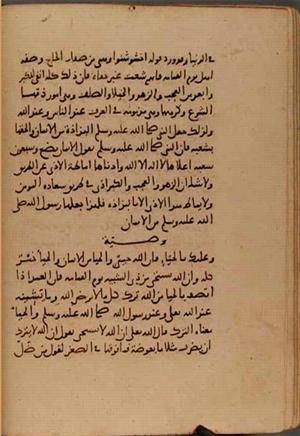
Manuscript volume 36 · Page 99

Konya manuscript

Open Arabic sourceOpen English translation

Arabic

في الدنيا. وقد ورد قوله: «اخشوشنوا»، وهي من صفات الحاج وصفة أهل يوم القيامة، فإنهم شعث غُبْرٌ حفاة[32].

فإن ذٰلك كله أنفى للكبر وأبعد من العجب والزهو والخيلاء والصلف، وهي أمور ذمها الشرع وكرهها، وهي مذمومة في العرف عند الناس وعند الله. ولذٰلك جعل النبي ص البذاذة من الايمان وألحقها بشعبه.

فإن النبي ص يقول: «الايمان بضع وسبعون شعبة، أعلاها لا إله إلا الله وأدناها إماطة الأذى عن الطريق». ولا شك أن الزهو والعجب والكبر أذى في طريق سعادة المؤمن، ولا يماط هٰذا الأذى إلا بالبذاذة، فلهٰذا جعلها رسول الله ص من الايمان.

وصية

(الحياء ومراقبة الله)

وعليك بالحياء، فإن الله حيي، والحياء من الايمان، والحياء خير كله، وإن الله يستحي من ذي الشيبة يوم القيامة. فإن العبد إذا اتصف بالحياء من الله ترك كل ما لا يرضى الله وما يشينه عند الله تعالى وعند رسول الله ص.

والحياء معناه الترك. قال الله تعالى: ﴿إِنَّ الله لا يَسْتَحْيِي﴾ [البقرة: ٢٦]، يقول إن الله لا يترك ﴿أَنْ يَضْرِبَ مَثَلًا ما بَعُوضَةً فَما فَوْقَها﴾ [البقرة: ٢٦] في الصغر، لقول من ضل

Notes

[32]

(أثبتت «غُبْر» بدل «غير» وفق الطبعة الأحدث.)
English

in this world. The saying has been transmitted: “Accustom yourselves to rough living.” This is among the qualities of the pilgrim and the condition of the people on the Day of Resurrection, for they are disheveled, dust-covered, and barefoot[32].

All of this is more effective in banishing pride and further removed from self-admiration, conceit, arrogance, and boastfulness. These are things that the Law condemns and dislikes; they are also blameworthy in customary usage, among people and with God. For this reason the Prophet, God bless him and grant him peace, made plain living part of faith and included it among its branches.

For the Prophet, God bless him and grant him peace, says: “Faith has seventy-odd branches: the highest is ‘There is no god but God,’ and the lowest is removing harm from the road.” There is no doubt that conceit, self-admiration, and pride are harm upon the believer’s road to felicity, and this harm can only be removed through plain living. For this reason the Messenger of God, God bless him and grant him peace, made it part of faith.

Counsel

(Modesty and watchfulness before God)

Adhere to modesty, for God is modest. Modesty is part of faith, and modesty is entirely good. God feels shame before the gray-haired person on the Day of Resurrection. When the servant is characterized by modesty before God, he leaves everything that displeases God and everything that disgraces him before God Most High and His Messenger, God bless him and grant him peace.

The meaning of modesty here is refraining. God Most High says: “God does not feel shame” [al-Baqara 2:26]; that is, God does not refrain “from setting forth a likeness, a gnat or anything beyond it” [al-Baqara 2:26] in smallness, on account of the words of those led astray

Notes

[32]

(“Dust-covered” (ghubr) has been adopted instead of “other” (ghayr), following the newer edition.)

Manuscript imageManuscript volume 36 · Page 99

Arabic and English are linked by the same Konya page ID. Page alignment is approximate; consult the manuscript image for verification.

Cairo source reference

Ibn al-Arabi, The Meccan Revelations — Manuscript volume 36 · Page 99 — https://www.futmak.com/english/konya/pages.php?id=10491&text=both