
Futmak · الفتوحات المكية · Meccan Revelations

The Meccan Revelations

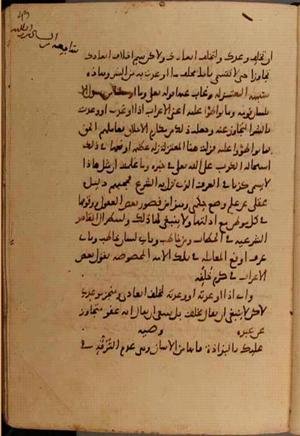
Manuscript volume 36 · Page 98

Konya manuscript

Open Arabic sourceOpen English translation

Arabic

أن تخلف وعدك، ولتخلف إيعادك، ولكن سم إخلاف إيعادك تجاوزا، حتى لا تتسمى بأنك مخلف ما أوعدت به من الشر.

وهذه شبهة المعتزلة، وغاب عنها قوله تعالى: ﴿وما أرسلنا من رسول إلا بلسان قومه﴾ [إبراهيم: ٤]، وما تواطئوا عليه، أعني الأعراب إذا أوعدت أو وعدت بالشر، التجاوز عنه وجعلت ذٰلك من مكارم الأخلاق، فعاملهم الحق بما تواطئوا عليه.

فزلت هنا المعتزلة زلة عظيمة، أوقعها في ذٰلك استحالة الكذب على الله تعالى في خبره. وما علمت إن مثل هٰذا لا يسمى كذبا في العرف الذي نزل به الشرع، فحجبهم دليل عقلي عن علم وضع حكمي.

وهٰذا من قصور بعض العقول ووقوفها في كل موطن مع أدلتها، ولا ينبغي لها ذٰلك. ولتنظر إلى المقاصد الشرعية في الخطاب، ومن خاطب، وبأي لسان خاطب، وبأي عرف أوقع المعاملة في تلك الأمة المخصوصة. يقول بعض الأعراب في كرم خلقه:

وإني إذا أوعدته أو وعدته ∗ لمخلف إيعادى ومنجز موعدي

لكن لا ينبغي أن يقال مخلف، بل ينبغي أن يقال إنه عفو متجاوز عن عبده.

وصية

(البذاذة وإماطة أذى الكبر)

وعليك بالبذاذة، فإنها من الايمان، وهي عدم الترفه
English

of breaking your promise, but leave your threat unfulfilled. Call your leaving the threat unfulfilled “forbearance,” however, so that you are not described as one who fails to fulfill the evil he has threatened.

This is the specious argument of the Muʿtazila. They overlooked His saying, exalted is He: “We have sent no messenger except in the language of his people” [Ibrahim 14:4], and what those people have agreed upon in usage. I mean that, when the Arabs threaten or promise evil, they forgo it and count this among noble traits of character. The Real therefore dealt with them according to their agreed usage.

Here the Muʿtazila committed a grave error. What led them into it was the impossibility of God Most High lying in what He reports. They did not know that something of this kind is not called lying in the usage in which the revealed Law came down. A rational proof thus veiled them from knowledge of an established legal convention.

This is due to the inadequacy of some intellects and their adherence, in every situation, to their own proofs. They should not do this. Let them consider the Law’s purposes in its address, whom it addresses, in what language it addresses them, and according to what usage it conducts its dealings with that particular community. One of the Arabs says of his noble character:

When I threaten him or promise him, ∗ I leave my threat unfulfilled and fulfill my promise.

Yet one should not say that He fails to fulfill; one should say that He is pardoning and overlooks His servant’s fault.

Counsel

(Plain living and removing the harm of pride)

Adhere to plain living, for it is part of faith. It means abstaining from luxury

Manuscript imageManuscript volume 36 · Page 98

Arabic and English are linked by the same Konya page ID. Page alignment is approximate; consult the manuscript image for verification.

Cairo source reference

Ibn al-Arabi, The Meccan Revelations — Manuscript volume 36 · Page 98 — https://www.futmak.com/english/konya/pages.php?id=10490&text=both