
Futmak · الفتوحات المكية · Meccan Revelations

Al-Futūḥāt al-Makkiyya

Handschriftenband 28 · Seite 223

Konya-Handschrift

Arabische Quelle öffnenEnglische Übersetzung öffnen

Arabisch

على الصورة عن الفقر، والذلة، والعبودية.

وإذا وجدوا هٰذا الأمر الذي اقتضاه خلقهم على الصورة، ولا بد، ظهروا به في المواطن التي عين الحق لهم أن يظهروا بذٰلك فيها.

كما فعل الحق، الذي له هذه الصفة، ذاتية نفسية، فلا يظهر بها إلا في مواطن مخصوصة.

ويظهر بالنزول، والتحبب إلى عباده، حتى كأنه فقير إليهم في ذٰلك، ويقيم نفسه مقامهم.

وإذا كان الحق بهذه الصفة، أن ينزل إليكم في صوركم، فأنتم أحق بهٰذا النعت، أن لا تبرحوا فيه.

ولا تنظروا إلى ما تجدونه فيكم من قوة الصورة، فذٰلك له، لا لكم، كما إن لكم ما نزل إليكم فيه، لا له.

ولو لا إن أسماءه الحسنى قامت بكم، واتصفتم بها، ما تمكن لكم ذٰلك، فردوا أسماءه على صورته، لا عليكم.

وخذوا منه ما نزل لكم فيه، فإن ذٰلك نعتكم، وأسماؤكم؛ فإنكم إذا فعلتم ذٰلك، وصلتم إليه، أي كنتم من أهل القربة.

(الأسماء والقرب)

فإن المقرب لا يُبْقِي له القرب[83]، والجلوس مع الحق، والتحدث معه تعالى اسما إلهيا من الأسماء المؤثرة في العالم، ولا من أسماء التنزيه.

وإنما يدخل عليه بالذلة، لشهود عزه، وبالفقر، لشهود غناه، وبالتهيؤ لنفوذ قدرته، فينخلع من كل الأسماء التي تعطيه أحكام الصورة التي خلق عليها.

(صحبة الحق وصحبة الخلق)

هٰذا مذهب سادات

Anmerkungen

[83]

(أُبقي لفظ «يبقى» وترتيب الجملة كما وردا في المصدر؛ لم يُغيَّر الرسم لترجيح إعراب بعينه.)
Englisch

upon the form has not turned them away from poverty, abasement, and servanthood.

When they find this affair, which their creation upon the form necessarily requires, they manifest it within the places where the Real has designated that they should manifest it.

Thus does the Real, who possesses this attribute intrinsically and essentially, yet manifests it only within particular places.

He manifests descent and making Himself beloved to His servants, as though He were poor toward them in this, and places Himself in their position.

If the Real has this attribute, descending to you within your forms, you have the greater claim to this description and to remaining within it.

Do not look toward the power of the form you find within yourselves. That belongs to Him, not you, just as what He descended to you within belongs to you, not Him.

Had His Most Beautiful Names not subsisted within you, and had you not been described by them, this would not have been possible for you. Return His Names to His form, rather than to yourselves.

Take from Him what He descended to you within, for that is your description and your names. If you do this, you reach Him—that is, you become among the people of nearness.

(The Names and Nearness)

For the one brought near, nearness,[83] sitting with the Real, and conversing with Him, exalted is He, leave him no divine Name, either among the Names influencing the world or among the Names of transcendence.

He enters upon Him only through abasement, witnessing His invincibility; through poverty, witnessing His self-sufficiency; and through preparedness for the execution of His power. He thus strips away every Name imparting to him the rulings of the form upon which he was created.

(Companionship with the Real and Companionship with Creation)

This is the doctrine of the masters

Anmerkungen

[83]

(The written word «يبقى» and the order of the sentence have been retained as they appear in the source. The written form has not been altered to favor a particular grammatical parsing.)

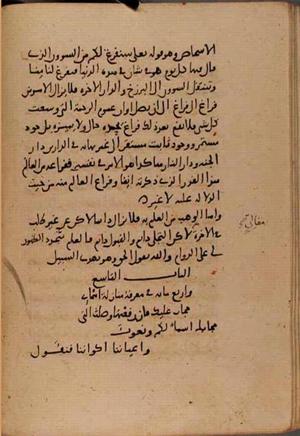
HandschriftenbildHandschriftenband 28 · Seite 223

Arabisch und Englisch sind über dieselbe Konya-Seiten-ID verbunden. Die Seitenzuordnung ist näherungsweise; prüfen Sie das Faksimile.

Kairo-Quellenangabe

Ibn al-Arabi, The Meccan Revelations — Handschriftenband 28 · Seite 223 — https://www.futmak.com/deutsch/konya/pages.php?id=8549&text=both