Al-Futūḥāt al-Makkiyya

Handschriftenband 25 · Seite 4

Konya-Handschrift

Arabische Quelle öffnenEnglische Übersetzung öffnen

Arabisch

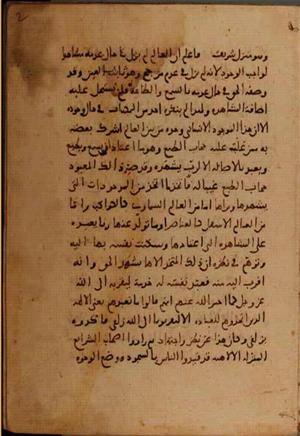
وهو منزل شريف؛ فاعلم أن العالَم لم يزل في حال عدمه مشاهدا لواجب الوجود، لأنه لم يزل في عدم مرجح، وهو ثابت العين. وقد وصفه الحق في حال عدمه بالسمع والطاعة له، فلم يستحل عليه إضافة المشاهدة.

ولهٰذا لم ينكره أحد من الممكنات في حال وجوده، إلا أن هٰذا الموجود الإنساني وحده من بين العالَم أشرك بعضه به، ممن غلب عليه حجاب الطبع، وهو ما اعتاد أن يسمع ويطيع ويعبد بالأصالة إلا لرب يشهده.

وقد صير ذٰلك المعبود حجاب الطبع غيبا له، فاتخذ (هٰذا البعض) ما اتخذ من الموجودات التي يشهدها ويراها، إما من العالَم السماوي كالكواكب، وإما من العالَم الأسفل كالعناصر أو ما تولد عنها، ربا يعبده على المشاهدة التي اعتادها وسكنت نفسه بها إليه.

وتوهم في نظره أن ذٰلك المتخذ إلها يشهد الحق، وأنه أقرب إليه منه، فعبد نفسه له خدمة ليقربه إلى الله عز وجل، كما أخبر الله عنهم أنهم قالوا: ﴿ما نَعْبُدُهُمْ﴾، يعني الآلهة الذين اتخذوهم للعبادة، ﴿إِلَّا لِيُقَرِّبُونا إِلَى الله زُلْفى﴾ [الزمر: ٣]، فأكدوه بـ«زلفى»، وكان هٰذا عن نظر واجتهاد.

(الاغترار بالمشابهة بين الشعائر)

ثم رأوا أصحاب الشرائع المنزلة الإلهية قد قيدوا الناس بالسجود، ووضع الوجوه
Englisch

It is a noble Abode. Know that in its state of nonexistence the world has never ceased witnessing the Necessary Existent, for it has never ceased to be in a state of nonexistence given preponderance, while its entity is fixed. The Real described it in its state of nonexistence as hearing and obeying Him, so attributing witnessing to it is not impossible.

This is why no possible thing denied Him in its state of existence. Yet, among the world, this human existent alone had some of its members associate others with Him: those over whom the veil of Nature prevailed. Originally, it was accustomed to hearing, obeying, and worshipping only a Lord it witnessed.

The veil of Nature made that Worshipped One unseen for it. Thus (this portion of humanity) took such existent things as it witnessed and saw—whether from the heavenly world, such as the stars, or from the lower world, such as the elements or what was generated from them—as a lord to worship according to the witnessing to which it had become accustomed and through which its soul found repose in that lord.

In its consideration it imagined that this thing taken as a god witnessed the Real and was nearer to Him than itself. It subjected itself to it in service, so that it might bring it nearer to God, mighty and majestic. God reported of them that they said, “We worship them”—meaning the gods they took for worship—“only that they may bring us nearer to God” [al-Zumar 39:3]. They emphasized this with “nearer,” and this came through consideration and independent judgment.

(Being Misled by Similarity between Rites)

Then they saw the bearers of the divinely revealed laws binding people to prostration, placing faces

HandschriftenbildHandschriftenband 25 · Seite 4

Arabisch und Englisch sind über dieselbe Konya-Seiten-ID verbunden. Die Seitenzuordnung ist näherungsweise; prüfen Sie das Faksimile.

Kairo-Quellenangabe

Ibn al-Arabi, The Meccan Revelations — Handschriftenband 25 · Seite 4 — https://www.futmak.com/deutsch/konya/pages.php?id=7452&text=both