
Futmak · الفتوحات المكية · Meccan Revelations

Al-Futūḥāt al-Makkiyya

Handschriftenband 24 · Seite 297

Konya-Handschrift

Arabische Quelle öffnenEnglische Übersetzung öffnen

Arabisch

النتيجة عين الحركة والمُحَرِّك، فإن الحركة خفية العين، والمُحَرِّك من وراء حجاب الكون، والنتيجة ظاهرة سافرة معربة عن شأنها، فاعتمد عليها، فهذه نصيحتي لك يا ولي.

ولهٰذا ما نسب الحق إلى نفسه انتقالا إلا وذكر النتيجة، ليعرفك ما هو عين الانتقال المنسوب إليه في نازلة ما، مثل قوله: «ينزل ربنا إلى السماء الدنيا في الثلث الباقي من الليل» ثم ذكر النتيجة فقال: «فيقول: هل من تائب؟ هل من داع؟ هل من مستغفر؟» وقال مثل هٰذا كثيرا، ليريح عباده من تعب الفكر والاعتذار؛ فإن المقصود من الحركات ما تنتج لا أعينها، وكذا كل شيء. فالمبتدأ لو لا الخبر ما كان له فائدة، ولكان عبثا الإتيان به. ومن هنا يعرف قوله: ﴿أَ فَحَسِبْتُمْ أَنَّما خَلَقْناكُمْ عَبَثاً﴾ [المؤمنون: 115] وقوله: ﴿وما خَلَقْنَا السَّماءَ والْأَرْضَ وما بَيْنَهُما باطِلًا﴾ [ص: 27].

(الحكمة من العالم والغنى عن وجوده)

ومن هنا يقع التنبيه على معرفة الحكمة التي أوجد الله لها العالم، وأن اسمه الحق تعالى حق، وقوله: ﴿فَإِنَّ الله غَنِيٌّ عَنِ الْعالَمِينَ﴾ [آل عمران: 97] إن معناه غني عن وجوده لا عن ثبوته؛ فإن العالم في حال ثبوته[73] يقع به الاكتفاء والاستغناء عن وجوده؛ لأنه وفي الألوهة حقها بإمكانه. ولو لا طلب الممكنات وافتقارها إلى ذوق الحالات وأرادت أن تذوق حال الوجود كما ذاقت حال العدم فسألت بلسان ثبوتها واجب الوجود أن يوجد أعيانها

Anmerkungen

[73]

(يفرق المؤلف في هذه الفقرة بين ثبوت الممكن ووجوده؛ وعلى هذا التفريق يبني كلامه على الاستغناء والترجيح.)
Englisch

the result you will know the very entity of the motion and the mover. The entity of motion is hidden, and the mover is behind the veil of the cosmos, while the result is manifest, unveiled, and expressive of its affair. Rely upon it: this is my counsel to you, my friend.

For this reason the Real never attributed a passage to Himself without mentioning the result, to acquaint you with the very passage attributed to Him in some occurrence. An example is His saying, “Our Lord descends to the lowest heaven in the remaining third of the night.” Then He mentioned the result, saying, “He says: Is there anyone repenting? Anyone supplicating? Anyone seeking forgiveness?” He has said much of this kind to relieve His servants of the toil of thought and making excuses. What is intended from motions is what they produce, not their very entities; and so it is with every thing. Without the predicate, the grammatical subject would have no benefit, and introducing it would be pointless. From here one understands His saying, ‘Did you suppose that We created you pointlessly?’ [al-Muʾminun 23:115], and His saying, ‘We did not create the heaven, the earth, and what is between them in vain’ [Sad 38:27].

(The Wisdom of the World and Independence from Its Existence)

From here attention is drawn to knowing the wisdom for which God brought the world into existence, and that His Name the Real, Most High, is true. His saying, ‘God is independent of the worlds’ [Al ʿImran 3:97], means independent of its existence, not of its fixity. The world in its state of fixity[73] provides sufficiency and independence from its existence, for through its possibility it has fulfilled Divinity's due. It was only because possible things sought and needed to taste states, and wished to taste the state of existence as they had tasted the state of nonexistence, and asked the Necessarily Existent, through the tongue of their fixity, to bring their entities into existence

Anmerkungen

[73]

(In this paragraph the author distinguishes the possible thing's fixity from its existence. He builds his discussion of independence and giving preponderance upon this distinction.)

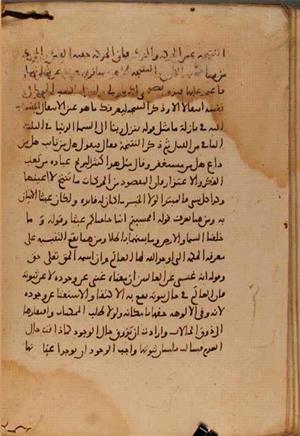
HandschriftenbildHandschriftenband 24 · Seite 297

Arabisch und Englisch sind über dieselbe Konya-Seiten-ID verbunden. Die Seitenzuordnung ist näherungsweise; prüfen Sie das Faksimile.

Kairo-Quellenangabe

Ibn al-Arabi, The Meccan Revelations — Handschriftenband 24 · Seite 297 — https://www.futmak.com/deutsch/konya/pages.php?id=7437&text=both