Al-Futūḥāt al-Makkiyya

Handschriftenband 15 · Seite 313

Konya-Handschrift

Arabische Quelle öffnenEnglische Übersetzung öffnen

Arabisch

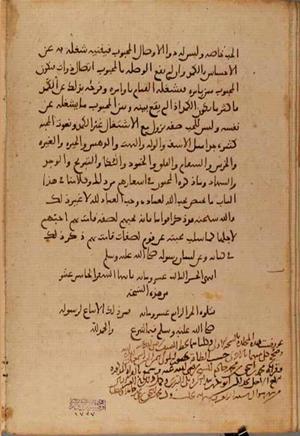
الحب خاصة، وليس له دواء إلا وصال المحبوب فيفنيه شغله به عن الإحساس بالكمد.

وإن لم تقع الوصلة بالمحبوب اتصال ذوات فيكون المحبوب ممن يأمره فيشغله القيام بأوامره وفرحه بذٰلك عن الكمد.

فأكثر ما يكون الكمد إذا لم يقع بينه وبين المحبوب ما يشغله عن نفسه وليس للحب صفة تزول مع الاشتغال غير الكمد.

ونعوت المحبة كثيرة جدا مثل الأسف، الوله، البهت، الدهش، الحيرة، الغيرة والخرس، السقام، القلق، الخمود، البكاء، التبريح والوجد، والسهاد وما ذكره المحبون في أشعارهم من ذٰلك.

وكلامنا في هٰذا الباب ما يختص بحب الله لعباده وحب العباد لله لا غير ذٰلك. فالله سبحانه قد ذكر اقواما بأنه يحبهم لصفة قامت بهم، أحبهم لأجلها كما سلب محبته عن قوم لصفات قامت بهم ذكر ذٰلك في كتابه وعن لسان رسوله ص.

انتهى الجزء الثالث عشر ومائة بانتهاء السفر الخامس عشر من هذه النسخة، يتلوه الجزء الرابع عشر ومائة؛ فمن ذلك الاتباع لرسوله ص فيما شرع والحمد لله.
Englisch

love alone. Its only remedy is union with the beloved, occupation with whom removes awareness of deep grief.

If union with the beloved does not occur as a joining of entities, then the beloved is one who commands him. Fulfilling those commands and his joy in doing so keep him from deep grief.

Deep grief occurs most when nothing arises between him and the beloved to occupy him away from his self. No description of love disappears with occupation except deep grief.

Love’s descriptions are very numerous: regret, distraction, stupefaction, astonishment, bewilderment, jealousy, speechlessness, sickness, agitation, languor, weeping, torment, ecstasy, sleeplessness, and what lovers mention in their poems.

Our discussion in this chapter concerns God’s love for His servants and the servants’ love for God, nothing else. God, glorified is He, mentions people He loves for an attribute they possess, loving them on its account, just as He withholds His love from others for attributes they possess. He mentions this in His Book and upon His messenger’s tongue, may God bless him and grant him peace.

End of Part One Hundred and Thirteen, completing Volume Fifteen of this copy, followed by Part One Hundred and Fourteen: among these is following His messenger, may God bless him and grant him peace, in what he prescribes. Praise be to God.

HandschriftenbildHandschriftenband 15 · Seite 313

Arabisch und Englisch sind über dieselbe Konya-Seiten-ID verbunden. Die Seitenzuordnung ist näherungsweise; prüfen Sie das Faksimile.

Kairo-Quellenangabe

Ibn al-Arabi, The Meccan Revelations — Handschriftenband 15 · Seite 313 — https://www.futmak.com/deutsch/konya/pages.php?id=4691&text=both