Al-Futūḥāt al-Makkiyya

Handschriftenband 15 · Seite 312

Konya-Handschrift

Arabische Quelle öffnenEnglische Übersetzung öffnen

Arabisch

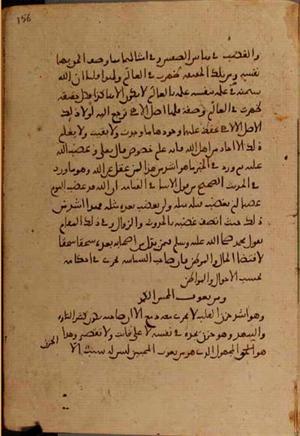
والغضب في هاتين الصفتين وفي أمثالهما مما وصف الحق بها نفسه ومن تلك الحقيقة ظهرت في العالم ولهٰذا قلنا: إن الله سبحانه علمه بنفسه علمه بالعالم، لا يكون إلا هكذا.

فكل حقيقة ظهرت في العالم وصفة فلها أصل إلهي ترجع إليه لو لا ذٰلك الأصل الإلهي يحفظ عليها وجودها ما وجدت ولا بقيت ولا يعلم ذٰلك إلا الآحاد من أهل الله فإنه علم خصوص. قال تعالى: ﴿وغَضِبَ الله عَلَيْهِ﴾ [النساء: 93].

ثم ورد في الخبر ما هو أشد من هٰذا لمن عقل عن الله وهو ما ورد في الحديث الصحيح من قول الأنبياء في القيامة: «أن الله قد غضب اليوم غضبا لم يغضب قبله مثله ولن يغضب بعده مثله».

فهٰذا أشد من ذٰلك حيث اتصف غضبه بالحدوث والزوال وفي ذٰلك المقام يقول محمد ص فيمن بدل من أصحابه بعده: «سحقا سحقا»، لاقتضاء الحال والموطن فإن صاحب السياسة يجري في أحكامه بحسب الأحوال والمواطن.

(الكمد والانشغال بأمر المحبوب)

ومن نعوت المحبين الكمد وهو أشد حزن القلب، لا يجري معه دمع إلا أن صاحبه يكون كثير التأوه والتنهد وهو حزن يجده في نفسه، لا على فائت ولا تقصير.

وهٰذا هو الحزن المجهول الذي هو من نعوت المحبين ليس له سبب إلا
Englisch

and anger, in these two attributes and their like with which the Real describes Himself ... From that reality they appeared in the world. This is why we said that God’s knowledge of Himself is His knowledge of the world. It can be only thus.

Every reality and attribute appearing in the world has a divine origin to which it returns. Without that divine origin preserving its existence, it would neither exist nor remain. Only a few of God’s people know this, for it is particular knowledge. He, exalted is He, said, “God became angry with him” [al-Nisaʾ 4:93].

Then a report comes stronger than this for whoever understands from God: the sound report of the prophets’ saying at the Resurrection, “God has become angry today with an anger unlike any before it, nor will He become angry with its like afterward.”

This is stronger because His anger is described by arising and ceasing. In that abode Muhammad, may God bless him and grant him peace, says of those of his companions who changed after him, “Away, away!” as the state and abode require, for one governing applies rulings according to states and abodes.

(Deep Grief and Occupation with the Beloved’s Affair)

Among the lovers’ descriptions is deep grief, kamad, the heart’s most intense sorrow, without tears flowing, although its possessor frequently groans and sighs. It is sorrow he finds within himself, not over anything lost or any shortcoming.

This is the unknown sorrow among the lovers’ descriptions, with no cause except

Anmerkungen

Translator’s note TN4690-1: The opening completes the preceding page’s conditional but remains syntactically compressed; the suspension is marked rather than supplied with an unstated conclusion. The statements about anger’s arising and ceasing are retained as the author’s reading of the report.

HandschriftenbildHandschriftenband 15 · Seite 312

Arabisch und Englisch sind über dieselbe Konya-Seiten-ID verbunden. Die Seitenzuordnung ist näherungsweise; prüfen Sie das Faksimile.

Kairo-Quellenangabe

Ibn al-Arabi, The Meccan Revelations — Handschriftenband 15 · Seite 312 — https://www.futmak.com/deutsch/konya/pages.php?id=4690&text=both