Al-Futūḥāt al-Makkiyya

Handschriftenband 12 · Seite 4

Konya-Handschrift

Arabische Quelle öffnenEnglische Übersetzung öffnen

Arabisch

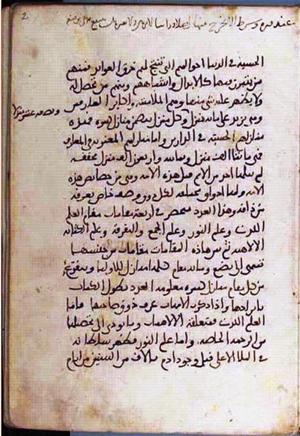
الحسية في الدنيا (هي) أحوالهم التي تنتج لهم خرق العوائد. فمنهم من يتبرز فيها كالأبدال وأشباههم، ومنهم من تحصل له ولا يظهر عليه شيء منها، وهم الملامتية وأكابر العارفين. وهي تزيد على مائة منزل وبضعة عشر منزلا، وكل منزل يتضمن منازل كثيرة؛ فهذه منازلهم الحسية في الدارين.

وأما منازلهم المعنوية في المعارف فهي مائتا ألف منزل وثمانية وأربعون ألف منزل[1]، محققة، لم ينلها أحد من الأمم قبل هذه الأمة، وهي من خصائص هذه الأمة. ولها أذواق مختلفة؛ لكل ذوق وصف خاص يعرفه من ذاقه.

(أمهات مقامات المعرفة)

وهٰذا العدد منحصر في أربعة مقامات: مقام العلم اللدني، وعلم النور، وعلم الجمع والتفرقة، وعلم الكتابة الإلهية. ثم بين هذه المقامات مقامات من جنسها تنتهي إلى بضع ومائة مقام كلها منازل للأولياء. ويتفرع من كل مقام منازل كثيرة معلومة العدد يطول الكتاب بإيرادها. وإذا ذكرت الأمهات عرف ذوق صاحبها.

فأما العلم اللدني فمتعلقه الإلهيات وما يؤدي إلى تحصيلها من الرحمة الخاصة. وأما علم النور فظهر سلطانه في الملأ الأعلى قبل وجود آدم بآلاف من السنين من أيام

Anmerkungen

[1]

(العدد هنا لمنازل المعرفة، ويميزه المؤلف في آخر الجواب من عدد الأشخاص القائمين بتلك المنازل.)
Englisch

sensory stations in this world are their states that produce the breaking of customary patterns for them. Some distinguish themselves in these, like the Substitutes and their like; others acquire them without anything of them appearing outwardly, namely the People of Blame and the greatest knowers. They number more than a hundred and ten-odd stations, and each station contains many stations. These are their sensory stations in the two abodes.

As for their spiritual stations in the forms of knowledge, they are two hundred and forty-eight thousand stations,[1] realized in full. No one from the communities before this community attained them; they are among this community’s special distinctions. They have different tastings, each tasting having a particular description known to whoever has tasted it.

(The Principal Stations of Knowledge)

This number is comprised within four stations: the station of knowledge from the divine Presence, knowledge of light, knowledge of union and separation, and knowledge of divine writing. Between these stations are further stations of their kind, reaching a hundred and several stations, all of them stations of the friends of God. From each station branch many stations of a known number, whose enumeration would make the book lengthy. When the principal ones are mentioned, their possessor’s tasting is known.

As for knowledge from the divine Presence, its objects are divine matters and the special mercy that leads to acquiring them. As for knowledge of light, its authority appeared in the Highest Assembly thousands of years before Adam’s existence, reckoned by the days of

Anmerkungen

[1]

(The number here concerns the stations of knowledge; at the end of the answer the author distinguishes it from the number of persons occupying those stations.)

HandschriftenbildHandschriftenband 12 · Seite 4

Arabisch und Englisch sind über dieselbe Konya-Seiten-ID verbunden. Die Seitenzuordnung ist näherungsweise; prüfen Sie das Faksimile.

Kairo-Quellenangabe

Ibn al-Arabi, The Meccan Revelations — Handschriftenband 12 · Seite 4 — https://www.futmak.com/deutsch/konya/pages.php?id=3440&text=both