Futmak · الفتوحات المكية · Meccan Revelations

Al-Futūḥāt al-Makkiyya

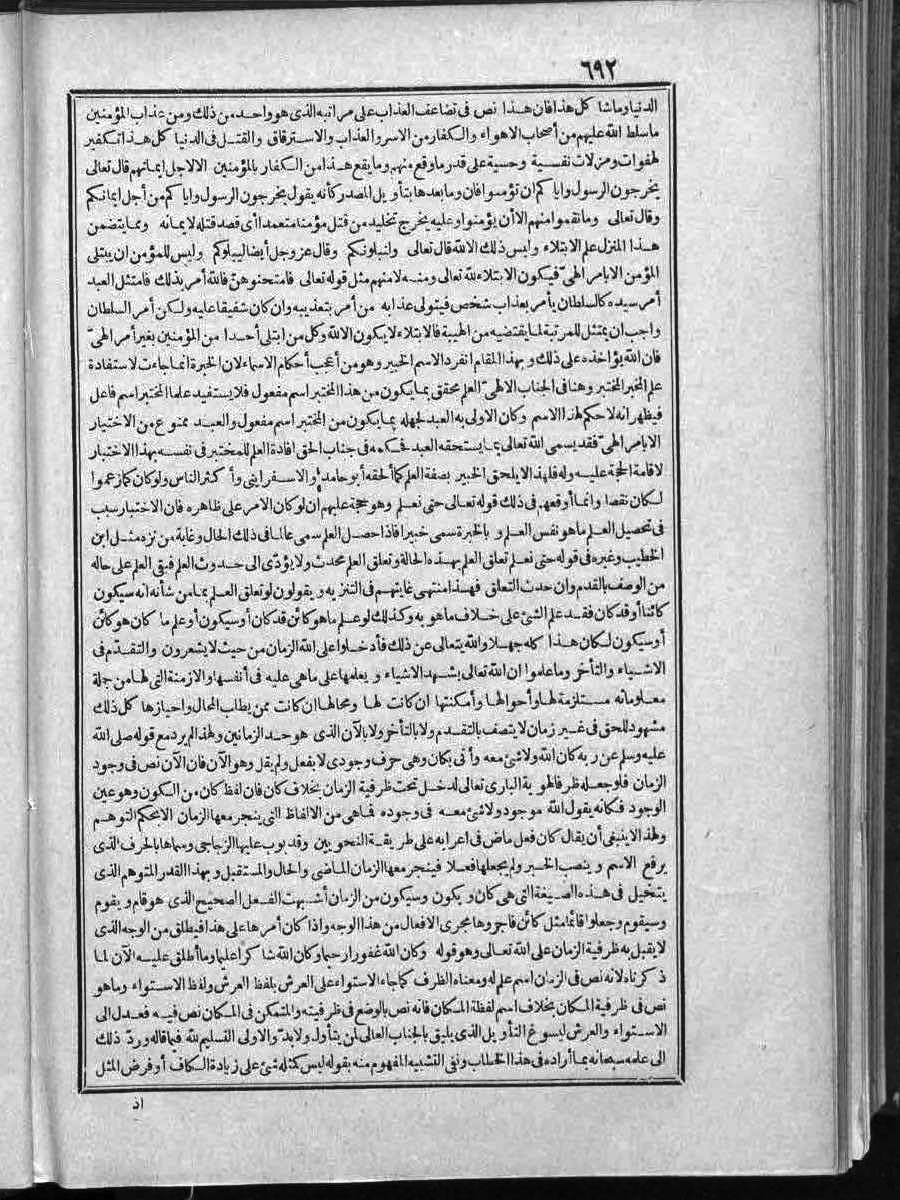
Volumen impreso 2 · Página 692

El Cairo / Maymaniyya

Abrir página

Árabe

الدنيا وما شاكل هذا فإن هذا نص في تضاعف العذاب على مراتبه الذي هو واحد من ذلك ومن عذاب المؤمنين ما سلط الله عليهم من أصحاب الأهواء والكفار من الأسر والعذاب والاسترقاق والقتل في الدنيا كل هذا تكفير لهفوات ومزلات نفسية وحسية على قدر ما وقع منهم وما يقع هذا من الكفار بالمؤمنين إلا لأجل إيمانهم قال تعالى يُخْرِجُونَ الرَّسُولَ وإِيَّاكُمْ أَنْ تُؤْمِنُوا فإن وما بعدها بتأويل المصدر كأنه يقول يخرجون الرسول وإياكم من أجل إيمانكم وقال تعالى وما نَقَمُوا مِنْهُمْ إِلَّا أَنْ يُؤْمِنُوا وعليه يخرج تخليد من قتل مؤمنا متعمدا أي قصد قتله لإيمانه ومما يتضمن هذا المنزل علم الابتلاء وليس ذلك إلا لله قال تعالى ولَنَبْلُوَنَّكُمْ وقال عز وجل أيضا لِيَبْلُوَكُمْ وليس للمؤمن أن يبتلي المؤمن إلا بأمر إلهي فيكون الابتلاء لله تعالى ومنه لا منهم مثل قوله تعالى فَامْتَحِنُوهُنَّ فالله أمر بذلك فامتثل العبد أمر سيده كالسلطان يأمر بعذاب شخص فيتولى عذابه من أمر بتعذيبه وإن كان شفيقا عليه ولكن أمر السلطان واجب أن يمتثل للمرتبة لما يقتضيه من الهيبة فالابتلاء لا يكون إلا لله وكل من ابتلى أحدا من المؤمنين بغير أمر إلهي فإن الله يؤاخذه على ذلك وبهذا المقام انفرد الاسم الخبير وهو من أعجب أحكام الأسماء لأن الخبرة إنما جاءت لاستفادة علم المخبر المختبر وهنا في الجناب الإلهي العلم محقق بما يكون من هذا المختبر اسم مفعول فلا يستفيد علما المختبر اسم فاعل فيظهر أنه لا حكم لهذا الاسم وكان الأولى به العبد لجهله بما يكون من المختبر اسم مفعول والعبد ممنوع من الاختيار إلا بأمر إلهي فقد يسمى الله تعالى بما يستحقه العبد فحكمه في جناب الحق إفادة العلم للمختبر في نفسه بهذا الاختبار لإقامة الحجة عليه وله فلهذا لا يلحق الخبير بصفة العلم كما ألحقه أبو حامد والأسفراييني وأكثر الناس ولو كان كما زعموا لكان نقصا

وإنما أوقعهم في ذلك قوله تعالى حَتَّى نَعْلَمَ وهو حجة عليهم إن لو كان الأمر على ظاهره فإن الاختبار سبب في تحصيل العلم ما هو نفس العلم وبالخبرة سمي خبيرا فإذا حصل العلم سمي عالما في ذلك الحال وغاية من نزه مثل ابن الخطيب وغيره في قوله حَتَّى نَعْلَمَ تعلق العلم بهذه الحالة وتعلق العلم محدث ولا يؤدي إلى حدوث العلم فبقي العلم على حاله من الوصف بالقدم وإن حدث التعلق فهذا منتهى غايتهم في التنزيه ويقولون لو تعلق العلم بما من شأنه إنه سيكون كائنا أو قد كان فقد علم الشي‏ء على خلاف ما هو به وكذلك لو علم ما هو كائن قد كان أو سيكون أو علم ما كان هو كائن أو سيكون لكان هذا كله جهلا والله يتعالى عن ذلك فأدخلوا على الله الزمان من حيث لا يشعرون والتقدم في الأشياء والتأخر وما علموا إن الله تعالى يشهد الأشياء ويعلمها على ما هي عليه في أنفسها والأزمنة التي لها من جملة معلوماته مستلزمة لها وأحوالها وأمكنتها إن كانت لها ومحالها إن كانت ممن يطلب المحال وأحيازها كل ذلك مشهود للحق في غير زمان لا يتصف بالتقدم ولا بالتأخر ولا بالآن الذي هو حد الزمانين ولهذا لم يرد مع‏

قوله صلى الله عليه وسلم عن ربه كان الله ولا شي‏ء معه‏

وأتى بكان وهي حرف وجودي لا بفعل ولم يقل وهو الآن فإن الآن نص في وجود الزمان فلو جعله ظرفا لهوية الباري تعالى لدخل تحت ظرفية الزمان بخلاف كان فإن لفظ كان من الكون وهو عين الوجود فكأنه يقول الله موجود ولا شي‏ء معه في وجوده فما هي من الألفاظ التي ينجر معها الزمان إلا بحكم التوهم ولهذا لا ينبغي أن يقال كان فعل ماض في إعرابه على طريقة النحويين وقد بوب عليها الزجاجي وسماها بالحرف الذي يرفع الاسم وينصب الخبر ولم يجعلها فعلا فينجر معها الزمان الماضي والحال والمستقبل وبهذا القدر المتوهم الذي يتخيل في هذه الصيغة التي هي كان ويكون وسيكون من الزمان أشبهت الفعل الصحيح الذي هو قام ويقوم وسيقوم وجعلوا قائما مثل كائن فأجروها مجرى الأفعال من هذا الوجه وإذا كان أمرها على هذا فيطلق من الوجه الذي لا يقبل به ظرفية الزمان على الله تعالى وهو قوله وكانَ الله غَفُوراً رَحِيماً وكانَ الله شاكِراً عَلِيماً وما أطلق عليه الآن لما ذكرناه لأنه نص في الزمان اسم علم له ومعناه الظرف كما جاء الاستواء على العرش بلفظ العرش ولفظ الاستواء وما هو نص في ظرفية المكان بخلاف اسم لفظة المكان فإنه نص بالوضع في ظرفيته والمتمكن في المكان نص فيه فعدل إلى الاستواء والعرش ليسوغ التأويل الذي يليق بالجناب العالي لمن يتأول ولا بد والأولى التسليم لله فيما قاله ورد ذلك إلى علمه سبحانه بما أراده في هذا الخطاب ونفى التشبيه المفهوم منه بقوله لَيْسَ كَمِثْلِهِ شَيْ‏ءٌ على زيادة الكاف أو فرض المثل‏

Inglés

This world and what is similar to this, for this is a text on the multiplication of the torment on its levels, which is one of that, and from the torment of the believers what God has empowered over them from the owners of desires and the infidels of captivity, torment, enslavement and killing in this world. From the infidels to the believers except for the sake of their belief, the Almighty said, They will expel the Messenger and you, if you believe. The affliction is only for God, the Almighty said, And let us test you. And the Almighty also said, He will test you. Compassionate to him, but the command of the sultan is obligatory to comply with the rank due to the prestige that it requires, for the trial is only for God, and everyone who afflicts any of the believers without an order except God will punish him for that and in this place the expert name is unique, and it is one of the most amazing rulings of names, because the experience came to benefit from the knowledge of the tester who is tested. The first is that the servant is ignorant of what is experienced as a subject and the servant is forbidden to choose except by a divine command. God Almighty called what the servant deserves, so his judgment is in the honor of the truth. The knowledge of the experimenter in himself with this test to establish an argument against him and him. Hence, the expert is not attached to the status of knowledge as Abu Hamid and Al-Asfaraini appended it. And most people, if it was as they claimed, it would be a deficiency

Rather, they were caught in that by the Almighty s saying, Until we know, and it is an argument against them that if the matter is as it appears, then the test is a reason for obtaining knowledge what is the same as knowledge and by experience, he is called an expert. The knowledge of this state and the attachment of knowledge is innovated and does not lead to the occurrence of knowledge, so the knowledge remains as it is from the description of the ancient. If he knew what was going to be, or what was going to be, or he knew what was going to be or would be, then all of this would have been ignorance and God is beyond that. Its selves and the times that it has from the totality of its information necessitate it, its conditions and possibilities if it is for it and its place if it is one of those who seek the impossible and its possessions.

His saying, may God s prayers and peace be upon him, on the authority of his Lord, was God and there was nothing with Him

He came with was, which is an existential letter, not a verb, and he did not say, and he is now, for now is a text in the existence of time. It is one of the words with which time flows except by virtue of illusion, and therefore it should not be said that it was a past verb in its parsing according to the method of the grammarians. Which is, was, is, and will be from time is similar to the correct verb that is, He rose, rises, and will rise, and they were made standing like a being, so they made it the course of actions from this way. Thankful, All-Knowing, and what is called it now for what we have mentioned, because it stipulated in time a knowing name for it and its meaning is circumstance, just as the Istiwa on the Throne came with the word arsh and the word Al-Istiwa . A text with the situation in its circumstance and the one who is able in the place is a text in it, so it is adjusted to the equator and the throne to justify the interpretation that befits the high honor of the one who interprets and it is necessary and the priority is to submit to God what he said. Kef or the imposition of the proverb

Imagen de la página impresaVolumen impreso 2 · Página 692

Los textos se vinculan por volumen y página impresos, no por el identificador del registro de traducción. Consulte el árabe al citar.

Ibn al-Arabi, al-Futuhat al-Makkiyya — El Cairo / Maymaniyya — Volumen impreso 2 · Página 692 — https://www.futmak.com/espanol/maymaniya/pages.php?id=1455&text=both