Futmak · الفتوحات المكية · Meccan Revelations

Al-Futūḥāt al-Makkiyya

Volumen impreso 4 · Página 10

El Cairo / Maymaniyya

Abrir página

Árabe

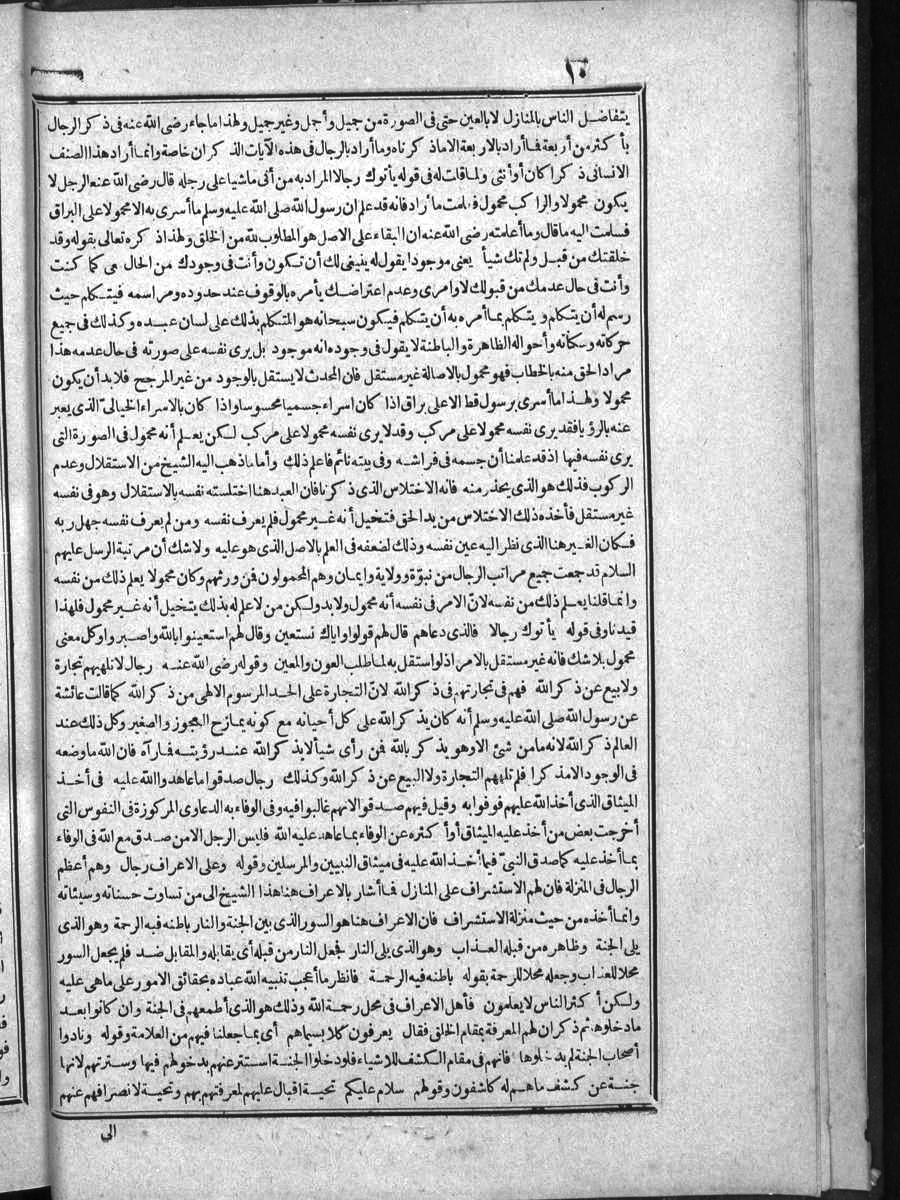
يتفاضل الناس بالمنازل لا بالعين حتى في الصورة من جميل وأجمل وغير جميل ولهذا ما جاء رضي الله عنه في ذكر الرجال بأكثر من أربعة فما أراد بالأربعة إلا ما ذكرناه وما أراد بالرجال في هذه الآيات الذكران خاصة وإنما أراد هذا الصنف الإنساني ذكرا كان أو أنثى ولما قلت له في قوله يَأْتُوكَ رِجالًا المراد به من أنى ماشيا على رجله قال رضي الله عنه الرجل لا يكون محمولا والراكب محمول فعلمت ما أراد فإنه قد علم إن رسول الله صَلَّى اللهُ عَليهِ وسَلَّم ما أسرى به إلا محمولا على البراق فسلمت إليه ما قال وما أعلمته رضي الله عنه إن البقاء على الأصل هو المطلوب لله من الخلق ولهذا ذكره تعالى بقوله وقَدْ خَلَقْتُكَ من قَبْلُ ولَمْ تَكُ شَيْئاً يعني موجودا يقول له ينبغي لك أن تكون وأنت في وجودك من الحال معي كما كنت وأنت في حال عدمك من قبولك لاوامري وعدم اعتراضك يأمره بالوقوف عند حدوده ومر اسمه فيتكلم حيث رسم له أن يتكلم ويتكلم بما أمره به أن يتكلم فيكون سبحانه هو المتكلم بذلك على لسان عبده وكذلك في جميع حركاته وسكناته وأحواله الظاهرة والباطنة لا يقول في وجوده إنه موجود بل يرى نفسه على صورته في حال عدمه هذا مراد الحق منه بالخطاب فهو محمول بالأصالة غير مستقل فإن المحدث لا يستقل بالوجود من غير المرجح فلا بد أن يكون محمولا ولهذا ما أسرى برسول قط إلا على براق إذا كان إسراء جسميا محسوسا وإذا كان بالإسراء الخيالي الذي يعبر عنه بالرؤيا فقد يرى نفسه محمولا على مركب وقد لا يرى نفسه محمولا على مركب لكن يعلم أنه محمول في الصورة التي يرى نفسه فيها إذ قد علمنا أن جسمه في فراشه وفي بيته نائم فاعلم ذلك وأما ما ذهب إليه الشيخ من الاستقلال وعدم الركوب فذلك هو الذي يحذر منه فإنه الاختلاس الذي ذكرنا فإن العبد هنا اختلسته نفسه بالاستقلال وهو في نفسه غير مستقل فأخذه ذلك الاختلاس من يد الحق فتخيل أنه غير محمول فلم يعرف نفسه ومن لم يعرف نفسه جهل ربه فكان الغير هنا الذي نظر إليه عين نفسه وذلك لضعفه في العلم بالأصل الذي هو عليه ولا شك أن مرتبة الرسل عليه السلام قد جمعت جميع مراتب الرجال من نبوة وولاية وإيمان وهم المحمولون فمن ورثهم وكان محمولا يعلم ذلك من نفسه وإنما قلنا يعلم ذلك من نفسه لأن الأمر في نفسه أنه محمول ولا بد ولكن من لا علم له بذلك يتخيل أنه غير محمول فلهذا قيدنا وفي قوله يَأْتُوكَ رِجالًا فالذي دعاهم قال لهم قولوا وإِيَّاكَ نَسْتَعِينُ وقال لهم اسْتَعِينُوا بِاللَّهِ واصبر وأو كل معنى محمول بلا شك فإنه غير مستقل بالأمر إذ لو استقل به لما طلب العون والمعين وقوله رضي الله عنه رِجالٌ لا تُلْهِيهِمْ تِجارَةٌ ولا بَيْعٌ عَنْ ذِكْرِ الله فهم في تجارتهم في ذكر الله لأن التجارة على الحد المرسوم الإلهي من ذكر الله كما

قالت عائشة عن رسول الله صَلَّى اللهُ عَليهِ وسَلَّم أنه كان يذكر الله على كل أحيانه مع كونه يمازح العجوز والصغير

وكل ذلك عند العالم ذكر الله لأنه ما من شي‏ء إلا وهو يذكر بالله فمن رأى شيئا لا يذكر الله عند رؤيته فما رآه فإن الله ما وضعه في الوجود إلا مذكرا فلم تلههم التجارة ولا البيع عن ذكر الله وكذلك رِجالٌ صَدَقُوا ما عاهَدُوا الله عَلَيْهِ في أخذ الميثاق الذي أخذ الله عليهم فوفوا به وقيل فيهم صدقوا لأنهم غالبوا فيه وفي الوفاء به الدعاوي المركوزة في النفوس التي أخرجت بعض من أخذ عليه الميثاق أو أكثره عن الوفاء بِما عاهَدَ عَلَيْهُ الله فليس الرجل إلا من صدق مع الله في الوفاء بما أخذ عليه كما صدق النبي فيما أخذ الله عليه في ميثاق النبيين والمرسلين وقوله وعَلَى الْأَعْرافِ رِجالٌ وهم أعظم الرجال في المنزلة فإن لهم الاستشراف على المنازل فما أشار بالأعراف هنا هذا الشيخ إلى من تساوت حسناته وسيئاته وإنما أخذه من حيث منزلة الاستشراف فإن الأعراف هنا هو السور الذي بين الجنة والنار باطِنُهُ فِيهِ الرَّحْمَةُ وهو الذي يلي الجنة وظاهِرُهُ من قِبَلِهِ الْعَذابُ وهو الذي يلي النار فجعل النار من قبله أي يقابله والمقابل ضد فلم يجعل السور محلا للعذاب وجعله محلا للرحمة بقوله باطِنُهُ فِيهِ الرَّحْمَةُ فانظر ما أعجب تنبيه الله عباده بحقائق الأمور على ما هي عليه ولكِنَّ أَكْثَرَ النَّاسِ لا يَعْلَمُونَ فأهل الأعراف في محل رحمة الله وذلك هو الذي أطمعهم في الجنة وإن كانوا بعد ما دخلوها ثم ذكر أن لهم المعرفة بمقام الخلق فقال يَعْرِفُونَ كُلًّا بِسِيماهُمْ أي بما جعلنا فيهم من العلامة وقوله ونادَوْا أَصْحابَ الْجَنَّةِ ... لَمْ يَدْخُلُوها فإنهم في مقام الكشف للأشياء فلو دخلوا الجنة استتر عنهم بدخولهم فيها وسترتهم لأنها جنة عن كشف ما هم له كاشفون وقولهم سَلامٌ عَلَيْكُمْ تحية إقبال عليهم لمعرفتهم بهم وتحية لانصرافهم عنهم‏

Inglés

People differ in places, not in the eyes, even in the picture, from beautiful, more beautiful, and not so beautiful. That is why he, may God be pleased with him, mentioned more than four men, so he did not want the four except what we mentioned, and he did not mean men in these verses specifically males, but he wanted this human type, male or female, and when I said To him in his saying, Men come to you, what is meant by him is he who is walking on his leg. He said, may God be pleased with him, that the man is not carried and the rider is carried, so I knew what he wanted, because he knew that the Messenger of God, may God bless him and grant him peace, was not taken with him except carried on the Buraq, so I delivered to him what he said and what I informed him, may God be pleased with him About him that staying on the principle is what is required of God from creation, and for this he mentioned the Almighty by saying: I created you before and you were not a thing, meaning existing. His name passes, and he speaks as it was decreed for him to speak, and he speaks what he commanded him to speak, so the Glorified is He who speaks that on the tongue of His servant, as well as in all his movements, his stillness, and his outward and inward states. It is attached to it by the discourse, so it is carried by authenticity and is not independent, for the narrator is not independent of existence. It is unlikely, so it must be predicated, and that is why he was never captured by a messenger except on Buraq if the journey was a bodily and tangible journey, and if it was by the imaginary journey that is expressed in the vision, he may see himself carried on a boat and may not He sees himself being carried on a boat, but knows that it is carried in the image in which he sees himself, as we know that his body is in his bed and in his house asleep, so know that. With independence and he is in himself not independent, so that embezzlement took him from the hand of the truth, so he imagined that he was not portable, so he did not know himself, and whoever did not know himself was ignorance of his Lord, so the other person here who looked at him with his own eyes, and that is because of his weakness in knowledge of the principle that he is, and there is no doubt that the rank of the messengers, peace be upon him, was collected All the ranks of men are of prophethood, guardianship and faith, and they are portable. So whoever inherited them and was portable knows that from himself, but we said that he knows that from himself because the matter is in himself that it is portable and must, but whoever does not know about it imagines that it is not portable, so this is our restriction and in his saying that men come to you, so the one who called them said Say to them, And you we seek help. He said to them, Seek help from God, be patient, or any other portable meaning, without doubt, because it is not independent of the matter. The divine decree of remembrance of God as

Aisha said on the authority of the Messenger of God, may God s prayers and peace be upon him, that he used to remember God at all times, even though he was joking with the old and the young.

And all of that in the presence of the world is the remembrance of God, because there is nothing but that he is reminded of God. So whoever sees something that does not mention God when he sees it, what he sees, God did not put it into existence except as a reminder, so neither trade nor sale distracted them from the remembrance of God. He took the covenant that God had taken upon them, and they fulfilled it, and it was said about them that they believed, because they prevailed in it and in fulfilling it, the claims based in the souls that expelled some or most of those who took the covenant from fulfilling what God promised. The Prophet in what God took upon him in the covenant of the prophets and messengers and his saying, and over the customs are men and they are the greatest of men in rank, for they have the anticipation of the homes . In it is mercy, and it is next to Paradise, and its apparent punishment is before it, and it is next to Hell, so he made the fire before it, that is, opposite it, and the opposite is opposite. God must warn His servants of the facts of things as they are, but most of the people do not know. And they called out to the owners of Paradise they did not enter it, for they are in the position of revealing things.

Imagen de la página impresaVolumen impreso 4 · Página 10

Los textos se vinculan por volumen y página impresos, no por el identificador del registro de traducción. Consulte el árabe al citar.

Ibn al-Arabi, al-Futuhat al-Makkiyya — El Cairo / Maymaniyya — Volumen impreso 4 · Página 10 — https://www.futmak.com/espanol/maymaniya/pages.php?id=2034&text=both