Futmak · الفتوحات المكية · Meccan Revelations

Al-Futūḥāt al-Makkiyya

Volumen impreso 4 · Página 5

El Cairo / Maymaniyya

Abrir página

Árabe

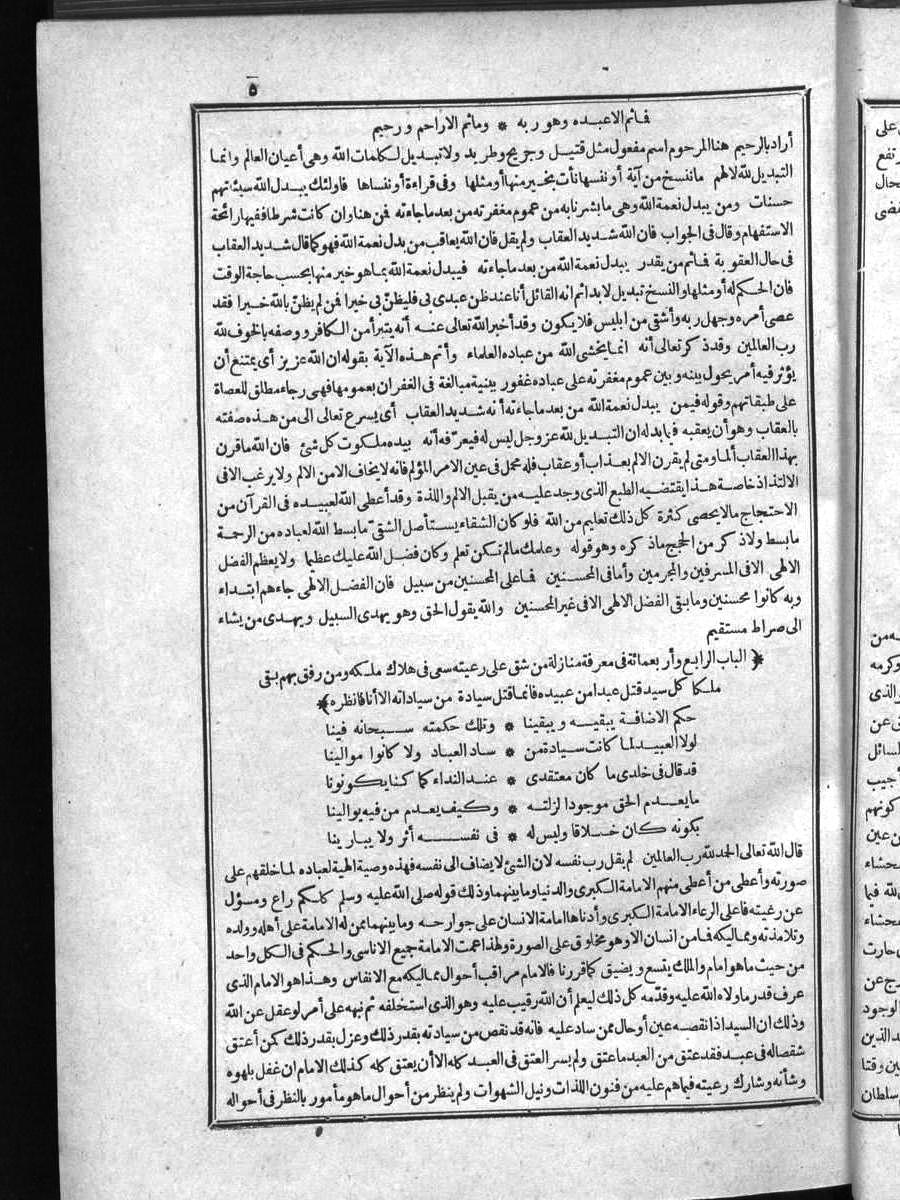
فما تم إلا عبده وهو ربه *** وما تم إلا راحم ورحيم‏

أراد بالرحيم هنا المرحوم اسم مفعول مثل قتيل وجريح وطريد ولا تَبْدِيلَ لِكَلِماتِ الله وهي أعيان العالم وإنما التبديل لله لا لهم ما نَنْسَخْ من آيَةٍ أَوْ نُنْسِها نَأْتِ بِخَيْرٍ مِنْها أَوْ مِثْلِها وفي قراءة أو ننساها فَأُوْلئِكَ يُبَدِّلُ الله سَيِّئاتِهِمْ حَسَناتٍ ومن يُبَدِّلْ نِعْمَةَ الله وهي ما بشرنا به من عموم مغفرته من بَعْدِ ما جاءَتْهُ فمن هنا وإن كانت شرطا ففيها رائحة الاستفهام وقال في الجواب فَإِنَّ الله شَدِيدُ الْعِقابِ ولم يقل فإن الله يعاقب من بدل نعمة الله فهو كما قال شَدِيدُ الْعِقابِ في حال العقوبة فما ثم من يقدر يُبَدِّلْ نِعْمَةَ الله من بَعْدِ ما جاءَتْهُ فيبدل نعمة الله بما هو خير منها بحسب حاجة الوقت فإن الحكم له أو مثلها والنسخ تبديل لا بدائم أنه القائل‏

أنا عند ظن عبدي بي فليظن بي خيرا

فمن لم يظن بالله خيرا فقد عصى أمره وجهل ربه وأشقى من إبليس فلا يكون وقد أخبر الله تعالى عنه أنه يتبرأ من الكافر ووصفه بالخوف لله رب العالمين وقد ذكر تعالى أنه إِنَّما يَخْشَى الله من عِبادِهِ الْعُلَماءُ وأتم هذه الآية بقوله إِنَّ الله عَزِيزٌ أي يمتنع أن يؤثر فيه أمر يحول بينه وبين عموم مغفرته على عباده غَفُورٌ ببنية مبالغة في الغفران بعمومها فهي رجاء مطلق للعصاة على طبقاتهم وقوله فيمن يُبَدِّلْ نِعْمَةَ الله من بَعْدِ ما جاءَتْهُ أنه شَدِيدُ الْعِقابِ أي يسرع تعالى إلى من هذه صفته بالعقاب وهو أن يعقبه فيما بدله أن التبديل لله عز وجل ليس له فيعرفه أنه بِيَدِهِ مَلَكُوتُ كُلِّ شَيْ‏ءٍ فإن الله ما قرن بهذا العقاب ألما ومتى لم يقرن الألم بعذاب أو عقاب فله محمل في عين الأمر المؤلم فإنه لا يخاف إلا من الألم ولا يرغب إلا في الالتذاذ خاصة هذا يقتضيه الطبع الذي وجد عليه من يقبل الألم واللذة وقد أعطى الله لعبيدة في القرآن من الاحتجاج ما لا يحصى كثرة كل ذلك تعليم من الله فلو كان الشقاء يستأصل الشقي ما بسط الله لعباده من الرحمة ما بسط ولا ذكر من الحجج ما ذكره وهو قوله وعَلَّمَكَ ما لَمْ تَكُنْ تَعْلَمُ وكانَ فَضْلُ الله عَلَيْكَ عَظِيماً ولا يعظم الفضل الإلهي إلا في المسرفين والمجرمين وأما في المحسنين ف ما عَلَى الْمُحْسِنِينَ من سَبِيلٍ فإن الفضل الإلهي جاءهم ابتداء وبه كانوا محسنين وما بقي الفضل الإلهي إلا في غير المحسنين والله يَقُولُ الْحَقَّ وهُوَ يَهْدِي السَّبِيلَ ويَهْدِي من يَشاءُ. إِلى‏ صِراطٍ مُسْتَقِيمٍ‏

«الباب الرابع وأربعمائة في معرفة منازلة من شق على رعيته سعى في هلاك ملكه ومن رفق بهم بقي ملكا كل سيد قتل عبدا من عبيده فإنما قتل سيادة من سياداته إلا أنا فانظره»

حكم الإضافة يبقيه ويبقينا *** وتلك حكمته سبحانه فينا

لو لا العبيد لما كانت سيادة من *** ساد العباد ولا كانوا موالينا

قد قال في خلدي ما كان معتقدي *** عند النداء كما كنا يكونونا

ما يعدم الحق موجودا لزلته *** وكيف يعدم من فيه يوالينا

بكونه كان خلاقا وليس له *** في نفسه أثر ولا يبارينا

[إن الإمامة اعطا الله على الإنسان‏]

قال الله تعالى الْحَمْدُ لِلَّهِ رَبِّ الْعالَمِينَ لم يقل رب نفسه لأن الشي‏ء لا يضاف إلى نفسه فهذه وصية إلهية لعباده لما خلقهم على صورته وأعطى من أعطى منهم الإمامة الكبرى والدنيا وما بينهما وذلك‏

قوله صَلَّى اللهُ عَليهِ وسَلَّم كلكم راع ومسئول عن رعيته‏

فأعلى الرعاء الإمامة الكبرى وأدناها إمامة الإنسان على جوارحه وما بينهما ممن له الإمامة على أهله وولده وتلامذته ومماليكه فما من إنسان إلا وهو مخلوق على الصورة ولهذا أعمت الإمامة جميع الأناسي والحكم في الكل واحد من حيث ما هو إمام والملك يتسع ويضيق كما قررنا فالإمام مراقب أحوال مماليكه مع الأنفاس وهذا هو الإمام الذي عرف قدر ما ولاة الله عليه وقدمه كل ذلك ليعلم أن الله رقيب عليه وهو الذي استخلفه ثم نبهه على أمر لو عقل عن الله وذلك أن السيد إذا نقصه عين أو حال ممن ساد عليه فإنه قد نقص من سيادته بقدر ذلك وعزل بقدر ذلك كمن أعتق شقصا له في عبد فقد عتق من العبد ما عتق ولم يسر العتق في العبد كله إلا أن يعتق كله كذلك الإمام إن غفل بلهوه وشأنه وشارك رعيته فيما هم عليه من فنون اللذات ونيل الشهوات ولم ينظر من أحوال ما هو مأمور بالنظر في أحواله‏

Inglés

Only His servant is fulfilled and He is his Lord *** and only He is merciful and merciful

From the generality of his forgiveness after what has come to him, from here, and if it is a condition, then it has the smell of questioning, and he said in the answer, God is severe in punishment. He did not say, God punishes those who replace God s grace. He is, as he said, severe in punishment in the event of punishment. So he replaces God s blessing with something better than it, according to the need of the time, for the ruling is for him or something like it, and abrogation is a change, not always.

I am when my servant thinks of me, so let him think of me well

Whoever does not think of God as good, then he has disobeyed his command and is ignorant of his Lord and is more miserable than Satan, so he is not, and God Almighty has informed him that he disavows the infidel and described him with fear of God, Lord of the worlds, and God Almighty mentioned that only among His servants the scholars fear God and complete this verse by saying that God is Mighty, meaning that he refuses In it there is a matter that prevents him from the generality of his forgiveness for his servants, the Forgiving, with the intention of exaggerating the forgiveness in its generality. And the Almighty does not have him, so he knows that in His hand is the kingdom of everything, for God does not associate pain with this punishment. He accepts pain and pleasure, and God has given to his servants in the Qur an from the incalculable protest. All of that is a teaching from God. If misery eradicates the wretched, God would not have extended mercy to His servants. He would not have expanded or mentioned any of the arguments what he mentioned, which is his saying, and he taught you what was not Knowing, and the grace of God upon you is great, and the divine bounty is not magnified except in the wasteful and the criminals. to a straight path

the Battle of the One Who Struggles Against His Subjects and Endeavors to Destroy His Kingdom, and whoever is kind to them remains a King.

The rule of addition keeps it and keeps us *** and that is His wisdom, Glory be to Him, in us

If it were not for the slaves, there would be no dominion from *** the slaves would rule, nor would they be loyal to us

He said in my mind what my belief was *** at the call as we used to be

What destroys the right to exist because of its slip *** and how is it executed who is in it who protects us?

That he was creative and had no effect on himself and did not compete with us

[ The Imamate has been bestowed by God on man .]

God Almighty said, Praise be to God, Lord of the worlds. He did not say, Lord of himself. Because something is not added to himself.

His saying, may God s prayers and peace be upon him, is that all of you are shepherds and are responsible for their flock.

The highest of the shepherds is the great imamate and the lowest is the imamate of man over his limbs and what is between them who has the imamate over his family, his children, his students, and his rulers. With breaths, and this is the imam who knew the extent of what God had entrusted to him and gave him all of that to know that God is watching over him and he is the one who appointed him and then alerted him to a matter if he had reasoned about God, and that is that if the master decreases an eye or condition of those who prevailed over him, he has diminished his sovereignty as much as that and isolates him As much as that is like the one who freed himself in relation to a slave, so he freed from the slave what he was freed, and manumission was not pleased with the whole slave unless he freed all of it. So is the imam if he neglects his own affair and participates in his flock in the arts of pleasures and the attainment of desires, and he does not look at the conditions of what he is commanded to look into his conditions ?

Imagen de la página impresaVolumen impreso 4 · Página 5

Los textos se vinculan por volumen y página impresos, no por el identificador del registro de traducción. Consulte el árabe al citar.

Ibn al-Arabi, al-Futuhat al-Makkiyya — El Cairo / Maymaniyya — Volumen impreso 4 · Página 5 — https://www.futmak.com/espanol/maymaniya/pages.php?id=2029&text=both