
Futmak · الفتوحات المكية · Meccan Revelations

Al-Futūḥāt al-Makkiyya

Volumen impreso 2 · Página 685

El Cairo / Maymaniyya

Abrir página

Árabe

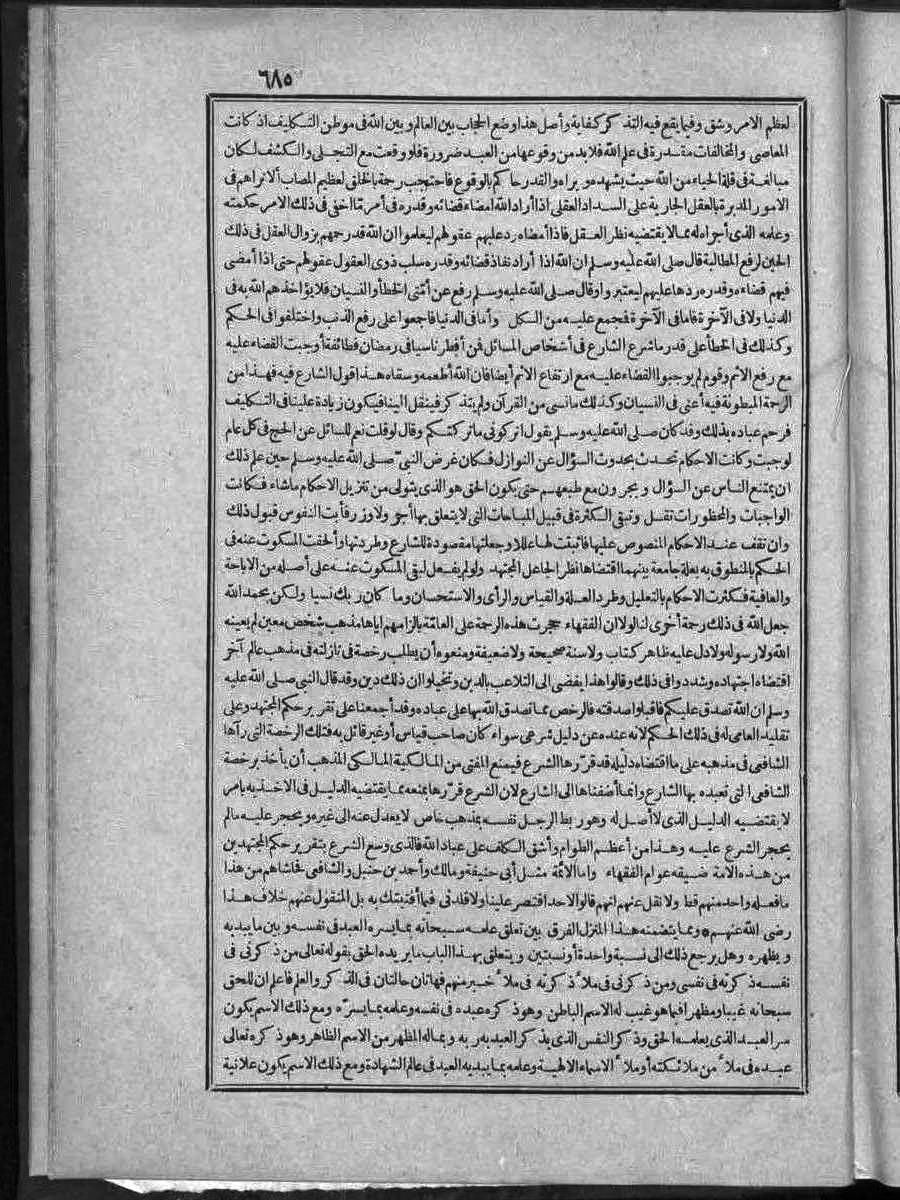
لعظم الأمر وشق وفيما يقع فيه التذكر كفاية وأصل هذا وضع الحجاب بين العالم وبين الله في موطن التكليف إذ كانت المعاصي والمخالفات مقدرة في علم الله فلا بد من وقوعها من العبد ضرورة فلو وقعت مع التجلي والكشف لكان مبالغة في قلة الحياء من الله حيث يشهده ويراه والقدر حاكم بالوقوع فاحتجب رحمة بالخلق لعظيم المصاب أ لا تراهم في الأمور المدبرة بالعقل الجارية على السداد العقلي إذا أراد الله إمضاء قضائه وقدره في أمر ما أخفى في ذلك الأمر حكمته وعلمه الذي أجراه له مما لا يقتضيه نظر العقل فإذا أمضاه رد عليهم عقولهم ليعلموا أن الله قد رحمهم بزوال العقل في ذلك الحين لرفع المطالبة

قال صلى الله عليه وسلم إن الله إذا أراد نفاذ قضائه وقدره سلب ذوي العقول عقولهم حتى إذا أمضى فيهم قضاءه وقدره ردها عليهم ليعتبروا

وقال صلى الله عليه وسلم رفع عن أمتي الخطاء والنسيان‏

فلا يؤاخذهم الله به في الدنيا ولا في الآخرة فأما في الآخرة فمجمع عليه من الكل وأما في الدنيا فأجمعوا على رفع الذنب واختلفوا في الحكم وكذلك في الخطاء على قدر ما شرع الشارع في أشخاص المسائل فمن أفطر ناسيا في رمضان فطائفة أوجبت القضاء عليه مع رفع الإثم وقوم لم يوجبوا القضاء عليه مع ارتفاع الإثم أيضا فإن الله أطعمه وسقاه هذا قول الشارع فيه فهذا من الرحمة المبطونة فيه أعني في النسيان وكذلك ما نسي من القرآن ولم يتذكر فينقل إلينا فيكون زيادة علينا في التكليف فرحم عباده بذلك وقد كان صلى الله عليه وسلم يقول اتركوني ما تركتكم‏

وقال لو قلت نعم للسائل عن الحج في كل عام لوجبت‏

وكانت الأحكام تحدث بحدوث السؤال عن النوازل فكان غرض النبي صلى الله عليه وسلم حين علم ذلك أن يمتنع الناس عن السؤال ويجرون مع طبعهم حتى يكون الحق هو الذي يتولى من تنزيل الأحكام ما شاء فكانت الواجبات والمحظورات تقل وتبقي الكثرة في قبيل المباحات التي لا يتعلق بها أجر ولا وزر فأبت النفوس قبول ذلك وأن تقف عند الأحكام المنصوص عليها فأثبتت لها عللا وجعلتها مقصودة للشارع وطردتها وألحقت المسكوت عنه في الحكم بالمنطوق به بعلة جامعة بينهما اقتضاها نظر الجاعل المجتهد ولو لم يفعل لبقي المسكوت عنه على أصله من الإباحة والعافية فكثرت الأحكام بالتعليل وطرد العلة والقياس والرأي والاستحسان وما كانَ رَبُّكَ نَسِيًّا ولكن بحمد الله جعل الله في ذلك رحمة أخرى لنا لو لا إن الفقهاء حجرت هذه الرحمة على العامة بإلزامهم إياها مذهب شخص معين لم يعينه الله ولا رسوله ولا دل عليه ظاهر كتاب ولا سنة صحيحة ولا ضعيفة ومنعوه أن يطلب رخصة في نازلته في مذهب عالم آخر اقتضاه اجتهاده وشددوا في ذلك وقالوا هذا يفضي إلى التلاعب بالدين وتخيلوا أن ذلك دين وقد قال النبي صلى الله عليه وسلم إن الله تصدق عليكم فأقبلوا صدقته‏

فالرخص مما تصدق الله بها على عباده وقد أجمعنا على تقرير حكم المجتهد وعلى تقليد العامي له في ذلك الحكم لأنه عنده عن دليل شرعي سواء كان صاحب قياس أو غير قائل به فتلك الرخصة التي رآها الشافعي في مذهبه على ما اقتضاه دليله قد قررها الشرع فيمنع المفتي من المالكية المالكي المذهب أن يأخذ برخصة الشافعي التي تعبده بها الشارع وإنما أضفناها إلى الشارع لأن الشرع قررها بمنعه مما يقتضيه الدليل في الأخذ به بأمر لا يقتضيه الدليل الذي لا أصل له وهو ربط الرجل نفسه بمذهب خاص لا يعدل عنه إلى غيره ويحجر عليه ما لم يحجر الشرع عليه وهذا من أعظم الطوام وأشق المكلف على عباد الله فالذي وسع الشرع بتقرير حكم المجتهدين من هذه الأمة ضيقه عوام الفقهاء وأما الأئمة مثل أبي حنيفة ومالك وأحمد بن حنبل والشافعي فحاشاهم من هذا ما فعله واحد منهم قط ولا نقل عنهم إنهم قالوا لأحد اقتصر علينا ولا قلدني فيما أفتيتك به بل المنقول عنهم خلاف هذا رضي الله عنهم‏

[الفرق بين تعلق علمه سبحانه بما يسره العبد في نفسه وبين ما يبديه ويظهره‏]

ومما يتضمنه هذا المنزل الفرق بين تعلق علمه سبحانه بما يسره العبد في نفسه وبين ما يبديه ويظهره وهل يرجع ذلك إلى نسبة واحدة أو نسبتين ويتعلق بهذا الباب ما يريده الحق‏

بقوله تعالى من ذكرني في نفسه ذكرته في نفسي ومن ذكرني في ملأ ذكرته في ملأ خير منهم‏

فهاتان حالتان في الذكر والعلم فاعلم إن للحق سبحانه غيبا ومظهرا فبما هو غيب له الاسم الباطن وهو ذكره عبده في نفسه وعلمه بما يسره ومع ذلك الاسم يكون سر العبد الذي يعلمه الحق وذكر النفس الذي يذكر العبد به ربه وبما له المظهر من الاسم الظاهر وهو ذكره تعالى عبده في ملأ من ملائكته أو ملأ الأسماء الإلهية وعلمه بما يبديه العبد في عالم الشهادة ومع ذلك الاسم يكون علانية
Inglés

Because of the greatness of the matter and the fact that the remembrance is sufficient, and the origin of this is the placement of the veil between the world and God in the place of assignment, since sins and transgressions are predestined in God s knowledge, so it is necessary that they occur from the servant as a necessity. Judge by falling, so he hides mercy from creation for the great afflicted. Do you not see them in matters contemplated by the mind that are in progress on rational payment? If God wants to fulfill His decree and destiny in a matter, He conceals in that matter His wisdom and knowledge that He made for him, which is not required by the consideration of the mind. Have mercy on them for the demise of reason at that time to raise the claim

He, peace and blessings of God be upon him, said, If God wants His decree and decree to be fulfilled, he robs people of intellect from their minds, so that if He fulfills His decree and decree among them, He will return it to them so that they may consider

And the

He, may God bless him and grant him peace, said, My nation has sinned and forgotten.

God will not punish them for it in this world or in the Hereafter. As for the Hereafter, it is agreed upon by all. As for this world, they are unanimously agreed to remove the guilt and differed in the ruling, as well as in the error according to what the legislator legislated with regard to people with issues. They did not make it obligatory to eliminate him with the increase of sin also, for God fed him and gave him water.

He, peace and blessings be upon him, used to say: Leave me as long as I leave you

And the

He said, If I said yes to the questioner about Hajj every year, it would be obligatory.

And the rulings spoke about the occurrence of questions about calamities, so the purpose of the Prophet, may God s prayers and peace be upon him, when he learned that, was to refrain from asking people and run according to their nature, so that the truth would be the one who handled the revelation of the rulings whatever he wanted. There is no sin, and the souls refuse to accept that and to stand at the stipulated rulings, so they prove their causes and make them a target for the legislator and expel them and attach what is silent about in the ruling to the uttered with a common cause between them that is required by the consideration of the diligent makeover. And opinion and approval, and your Lord would not have been forgetful, but, praise be to God, God made in that another mercy for us, if not. I revealed it in the madhhab of another scholar that was dictated by his diligence, and they emphasized that and said this leads to manipulation of religion and imagine that this is religion and

The Prophet, may God s prayers and peace be upon him, said that God gives charity to you, so accept his charity

The concessions are what God has approved of His servants, and we are unanimously agreed to confirm the rule of the mujtahid and to imitate the common man in that judgment because he has legal evidence, whether he is an analogy or not saying it. The Maliki madhhab is to take the Shafi i license with which the legislator worships him, but we added it to the legislator because the law decided it by preventing him from what the evidence requires in taking it with an order that is not required by the evidence that has no basis, which is linking the man himself to a special doctrine that does not alter it to others and forbids it unless the law prohibits it On him, and this is one of the greatest and most difficult duty to the servants of God. The one who expanded the law by deciding the rule of the mujtahids of this nation narrowed it down to the common jurists. As for the imams like Abu Hanifa, Malik, Ahmed bin Hanbal and Al-Shafi i, forbid them from this what one of them has never done and it is not narrated from them that they said to anyone that he confined to us and did not imitate me In what I have given you a fatwa, rather what is narrated from them is contrary to this, may God be pleased with them

[ The difference between the attachment of His knowledge, Glory be to Him, to what the servant makes easy in himself, and what he manifests and manifests .]

Among what is included in this house is the difference between the attachment of His knowledge, Glory be to Him, to what the servant makes easy in himself and what he reveals and manifests.

God Almighty says: He who remembers me in himself, I remember him in myself, and he who remembers Me in an assembly, I remember him in an assembly is better than them

So these are two cases in the remembrance and knowledge, so know that the truth, Glory be to Him, is hidden and manifest, so as it is unseen, it has the inner name, which is His servant s remembrance in himself and his knowledge of what He facilitates. His servant is in the presence of his angels or the filling of the divine names, and his knowledge of what the servant manifests in the world of martyrdom, and with that name is public.

Imagen de la página impresaVolumen impreso 2 · Página 685

Los textos se vinculan por volumen y página impresos, no por el identificador del registro de traducción. Consulte el árabe al citar.

Ibn al-Arabi, al-Futuhat al-Makkiyya — El Cairo / Maymaniyya — Volumen impreso 2 · Página 685 — https://www.futmak.com/espanol/maymaniya/pages.php?id=1448&text=both