
Futmak · الفتوحات المكية · Meccan Revelations

Al-Futūḥāt al-Makkiyya

Volumen del manuscrito 30 · Página 248

Manuscrito de Konya

Abrir fuente árabeAbrir traducción inglesa

Árabe

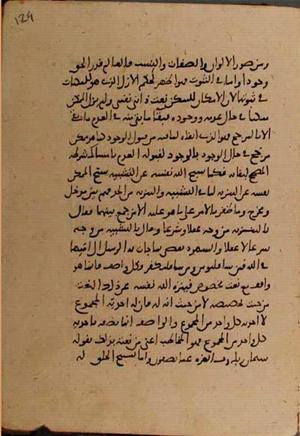
ومن صور الألوان والصفات والنسب. فالعالَم قدر الحق وجودا، وأما في الثبوت فهو أظهر، لحكم الأزل الذي هو للممكنات في ثبوتها، لأن الإمكان للممكن نعت ذاتي نفسي.

ولم يزل الممكن ممكنا في حال عدمه ووجوده، فبقاء ما بقي منه في العدم ما بقي إلا بالمرجح، فهو الذي أبقاه لما فيه من قبول الوجود، كما هو ممكن مرجح في حال الوجود بالوجود لقبوله العدم بإمساك شرطه المصحح لبقائه.

(التنزيه والتشبيه وحدود الوصف)

فكما سبح الله نفسه عن التشبيه، سبح الممكن نفسه عن التنزيه، لما في التشبيه والتنزيه من الحد. فهم بين مدخل ومخرج، وما ظفر بالأمر على ما هو عليه إلا من جمع بينهما، فقال بالتنزيه من وجه عقلا وشرعا، وقال بالتشبيه من وجه شرعا لا عقلا.

والشهود يقضي بما جاءت به الرسل إلى أممها في الله، ﴿فَمَنْ شاءَ فَلْيُؤْمِنْ ومن شاءَ فَلْيَكْفُرْ﴾ [الكهف: ٢٩]. فكل واصف فإنما هو واقف مع نعت مخصوص، فينزه الله نفسه عن ذٰلك النعت من حيث تخصيصه، لا من حيث إنه له.

فإن له أحدية المجموع لا أحدية كل واحد من المجموع، والواصف إنما يصفه بأحدية كل واحد من المجموع. فهو المخاطب، أعني من نعته بذٰلك، بقوله: ﴿سُبْحانَ رَبِّكَ رَبِّ الْعِزَّةِ عَمَّا يَصِفُونَ﴾ [الصافات: ١٨٠].

(التسبيح والجمع والتفصيل)

وأما تسبيح الخلق له
Inglés

and forms of colors, attributes, and relations. Thus the world is the Real’s measure in existence. In fixity this is more evident, because of the ruling of beginninglessness belonging to possible things in their fixity, for possibility is an intrinsic attribute of the possible itself.

The possible has always been possible in its nonexistence and its existence. Whatever of it remains in nonexistence remains only through the one who gives preponderance: He is the one who keeps it there, since it is receptive to existence. Likewise, in existence it is a possible thing to which preponderance has been given through existence, since it is receptive to nonexistence through the withholding of the condition that makes its endurance valid.

(Transcendence, Likeness, and the Limits of Description)

Just as God declares Himself free of likeness, the possible declares itself free of transcendence, because likeness and transcendence involve delimitation. They are thus between inclusion and exclusion. None attains the affair as it is except one who combines both, affirming transcendence in one respect through reason and Revealed Law, and affirming likeness in one respect through Revealed Law, not reason.

Witnessing confirms what the messengers brought to their communities concerning God: ‘Whoever wills, let him believe, and whoever wills, let him disbelieve’ [al-Kahf 18:29]. Every describer stands with a particular attribute. God declares Himself free of that attribute in respect of its being particularized, not in respect of its belonging to Him.

For His is the oneness of the totality, not the oneness of each individual within the totality. The describer describes Him only through the oneness of each individual within the totality. Thus that describer—I mean the one who attributes this to Him—is addressed by His saying, ‘Glory be to your Lord, the Lord of Invincibility, beyond what they describe’ [al-Saffat 37:180].

(Glorification, Gathering, and Detail)

As for creation’s glorifying Him

Imagen del manuscritoVolumen del manuscrito 30 · Página 248

El árabe y el inglés están enlazados por el mismo identificador de página de Konya. La distribución es aproximada; compruebe el manuscrito.

Referencia de la fuente de El Cairo

Ibn al-Arabi, The Meccan Revelations — Volumen del manuscrito 30 · Página 248 — https://www.futmak.com/espanol/konya/pages.php?id=9056&text=both