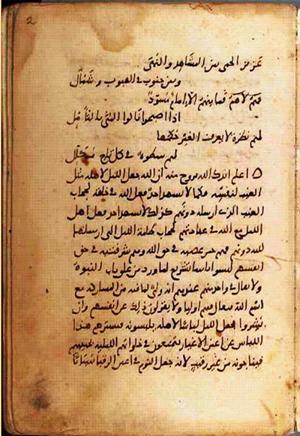
whose precinct is hard to reach, between scenes of witnessing and intellects,
and between a south wind and a north wind in their blowing.
Every one of them is an imam invested with leadership.
When morning comes, they attain their desire by contemplation.
They have a gaze whose effect no outsider knows.
They have sway over every crown that has been set in place.
(The Veil of Night and the Seclusion of Its People)
Know, may God strengthen you with a spirit from Him, that God made the night for its people as He made the unseen for Himself. Just as no one witnesses God’s action in His creation because of the veil of the unseen that He has drawn across them, no one witnesses the worship of the People of the Night with God because of the veil of the night’s darkness that God has drawn across them. They are the finest company in relation to God and the worst of young men in relation to themselves.
They are not prophets who bring revealed Law, for it has been reported that the door of prophecy is closed. Among themselves, none of them is called a saint, since the word is shared with a Name of God. They are called saints, but they do not say this of themselves even when they are given glad tidings of it. He made the night a garment for its people to put on, and this garment hides them from the eyes of others.
They take delight in their Beloved in their nightly seclusions and converse intimately with Him without anyone watching, for He made the sleep in the watchers’ eyes a rest,
یادداشتها
Translator’s note TN962-1: Walī is rendered here as “saint” when applied to a person. The same word is used of God as the Protecting Friend. The passage permits the plural “saints” for the group while its members abstain from claiming the name for themselves.